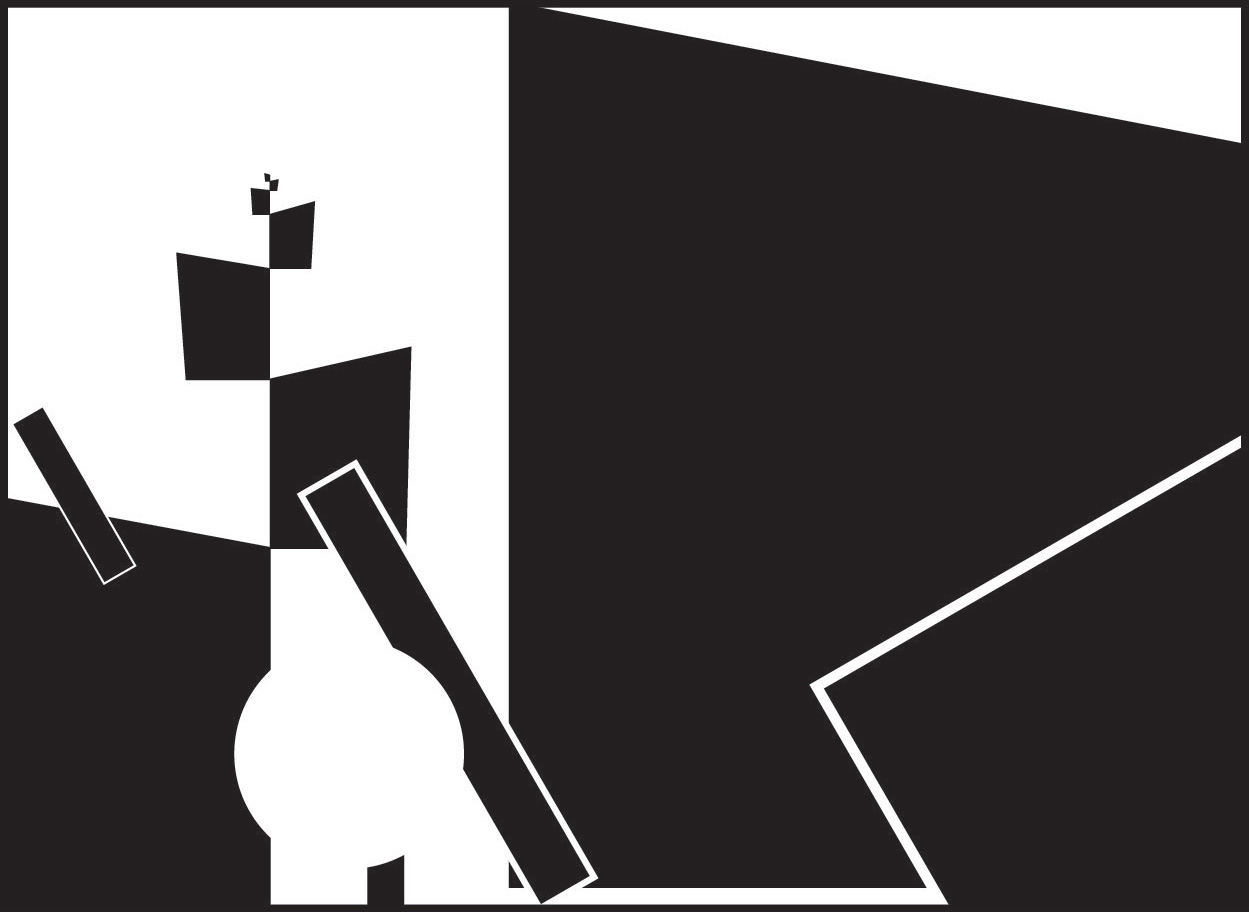
Mental Health Posters
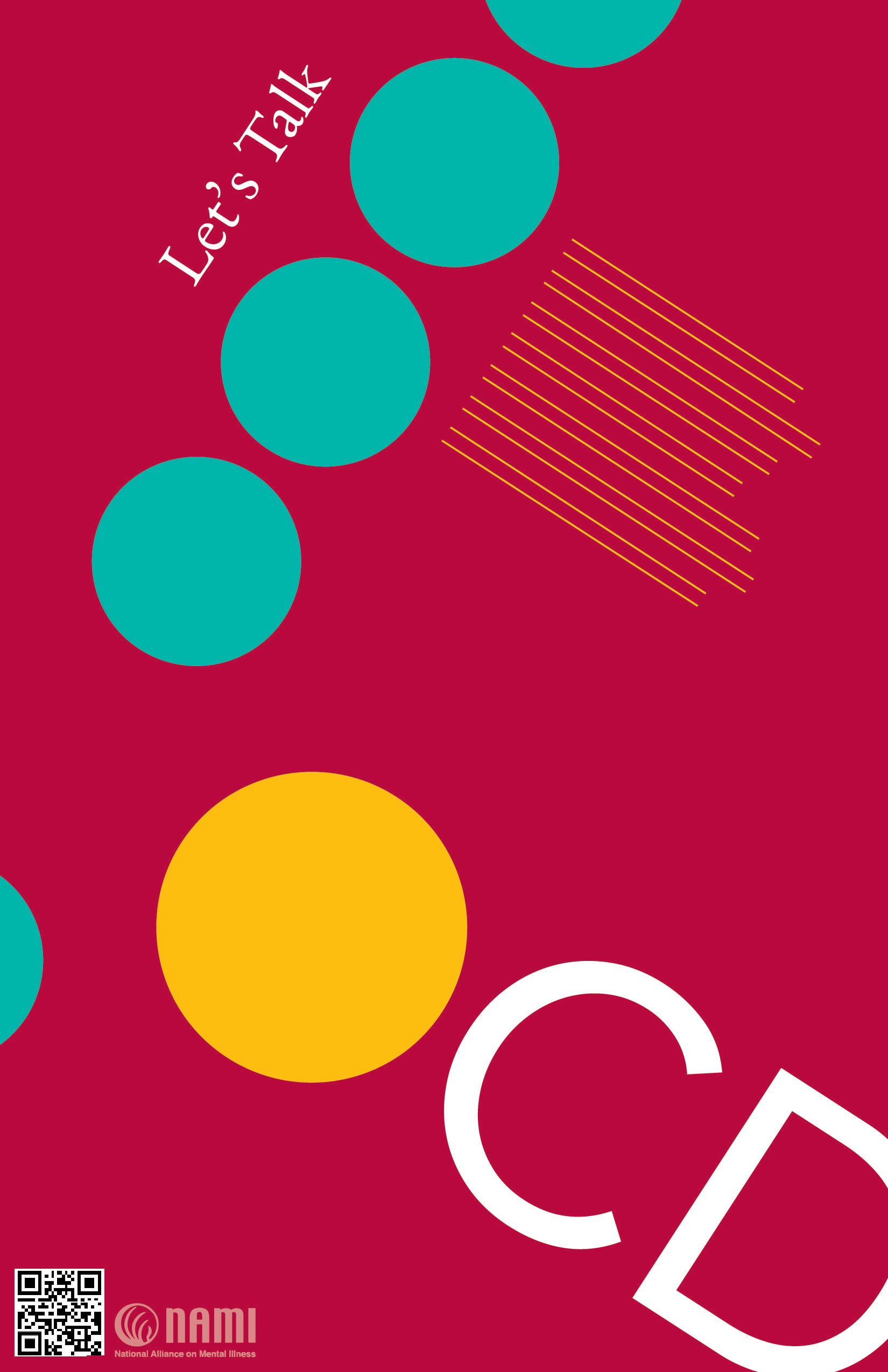
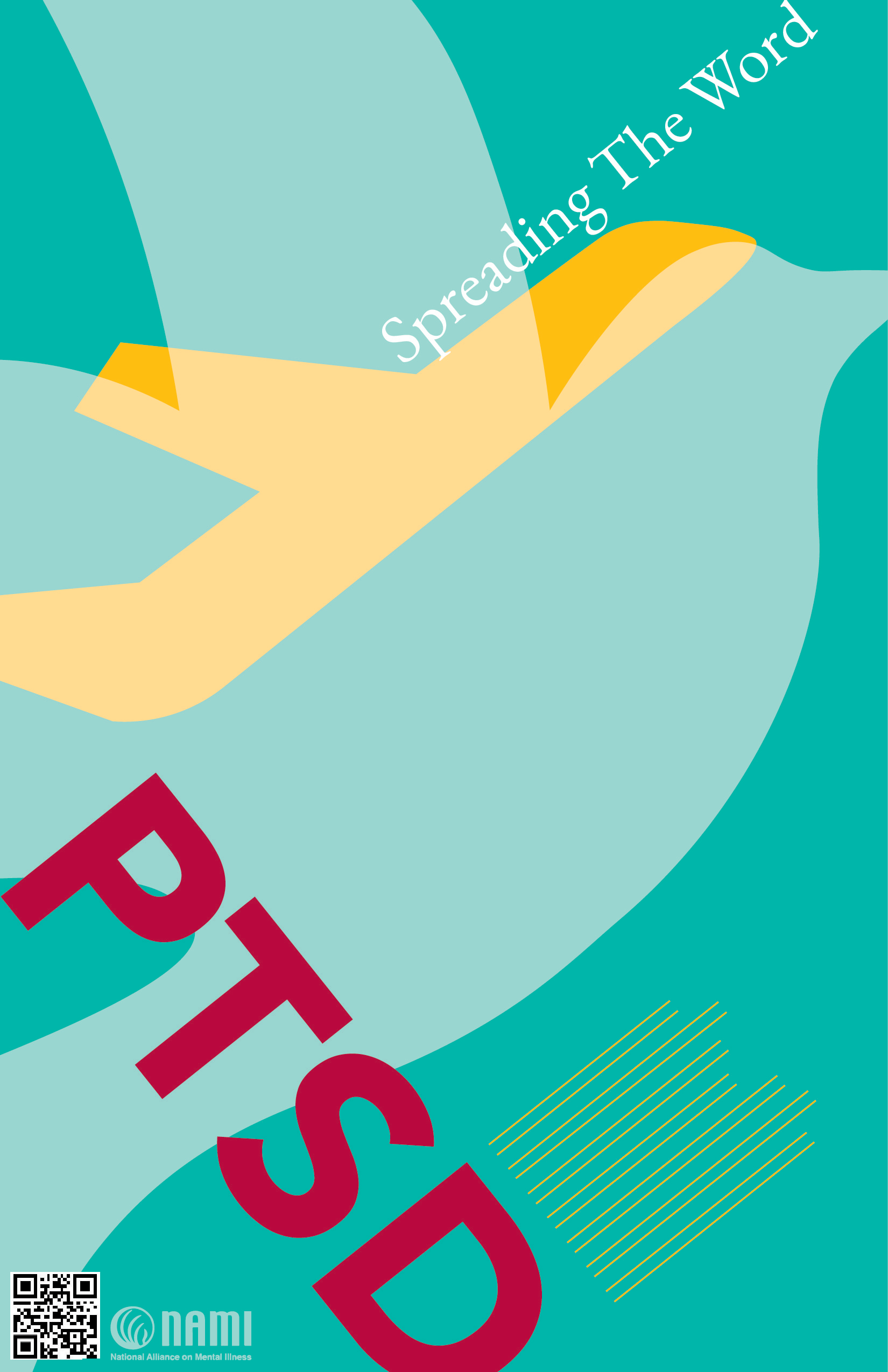
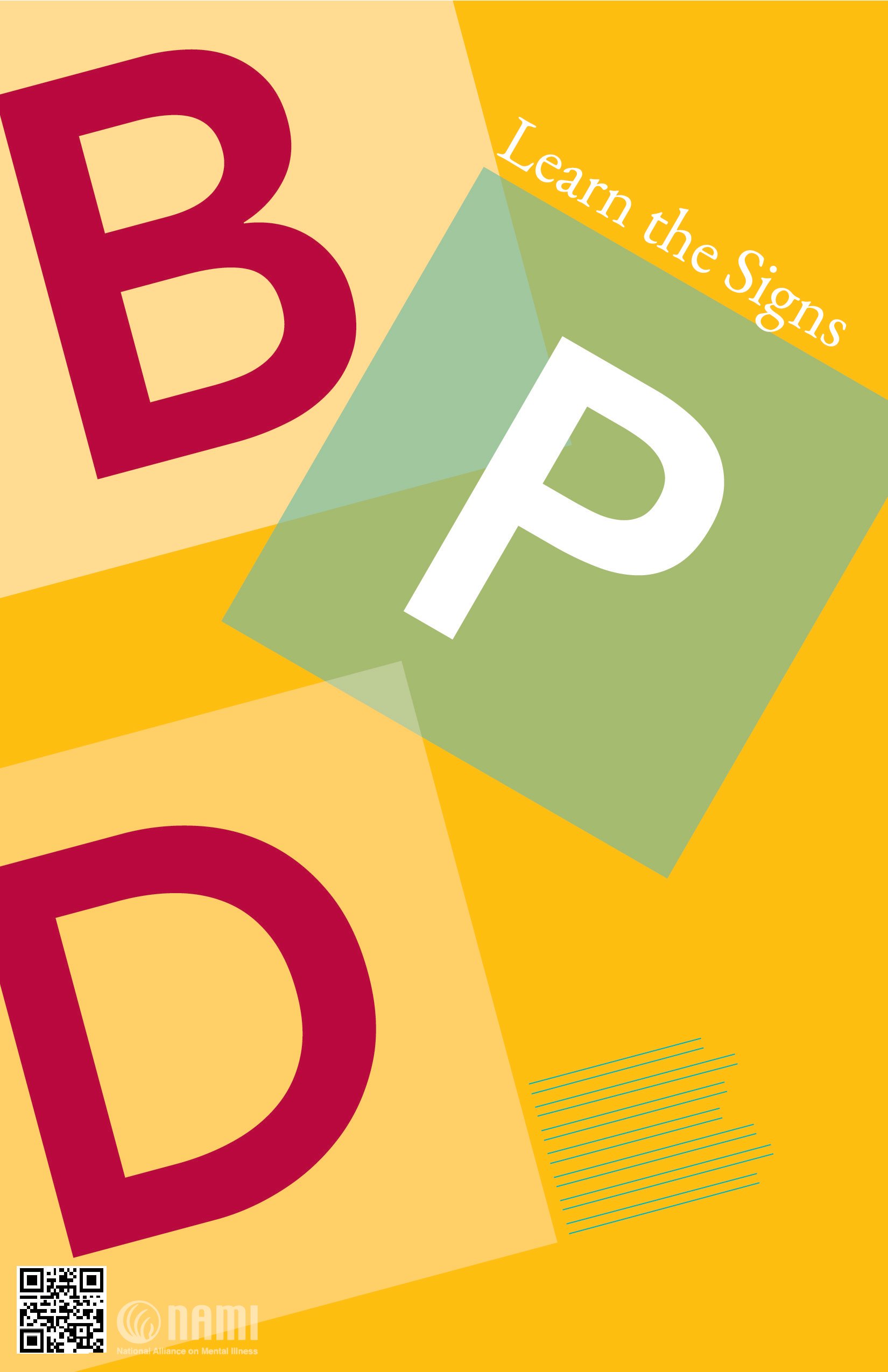
A triptych of posters was designed for the National Alliance on Mental Illness (NAMI), utilizing the Swiss grid system for a structured and cohesive layout. A triadic color scheme enhanced visual harmony, while the designs prioritized simplicity, emphasizing imagery over text. Each poster incorporated symbolic elements to represent different mental health issues, fostering a deeper visual connection to the subject matter.
Typography in Design
Typography played a central role in these layout designs, which were created as part of coursework at Saginaw Valley State University. Through these projects, students explored the principles of typographic hierarchy and learned to utilize both positive and negative space effectively. The coursework demonstrated how typography can transcend its basic role of forming words, becoming a dynamic design element that enhances visual communication. These projects provided valuable insights into transforming simple letterforms into compelling visual compositions that engage viewers and convey meaning through their arrangement and style.
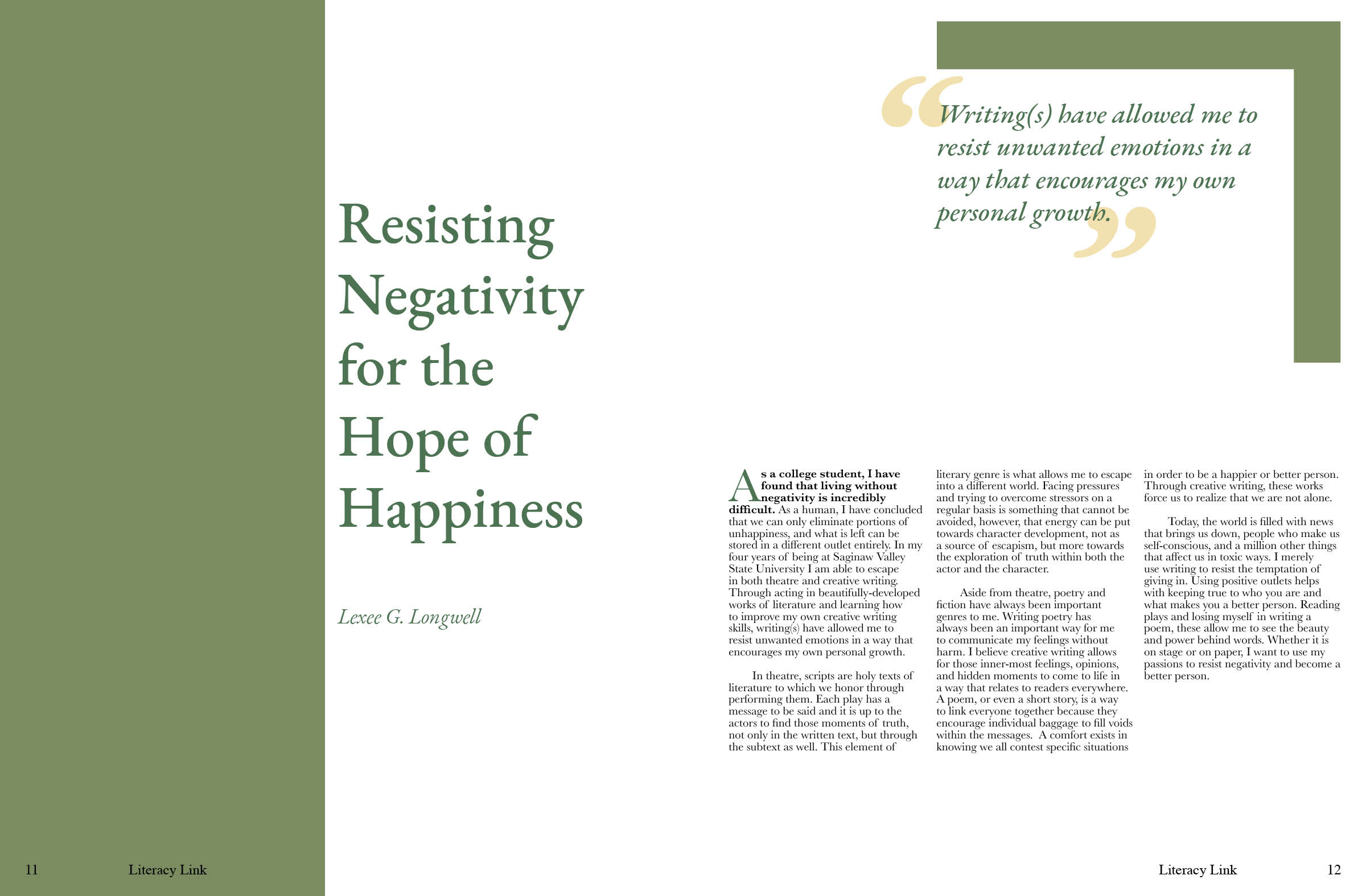
Booklet full Spread, 8.5"x11"

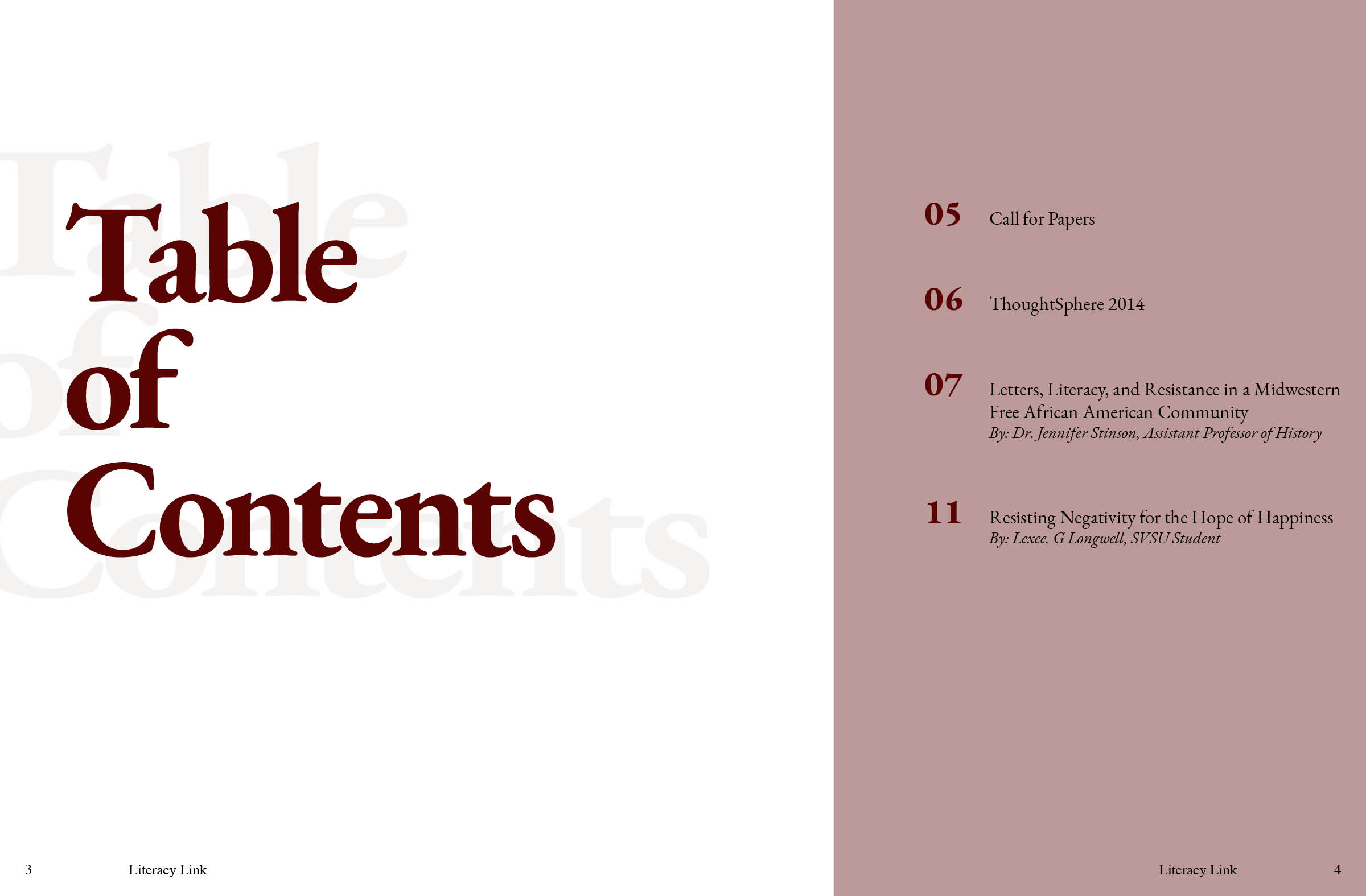
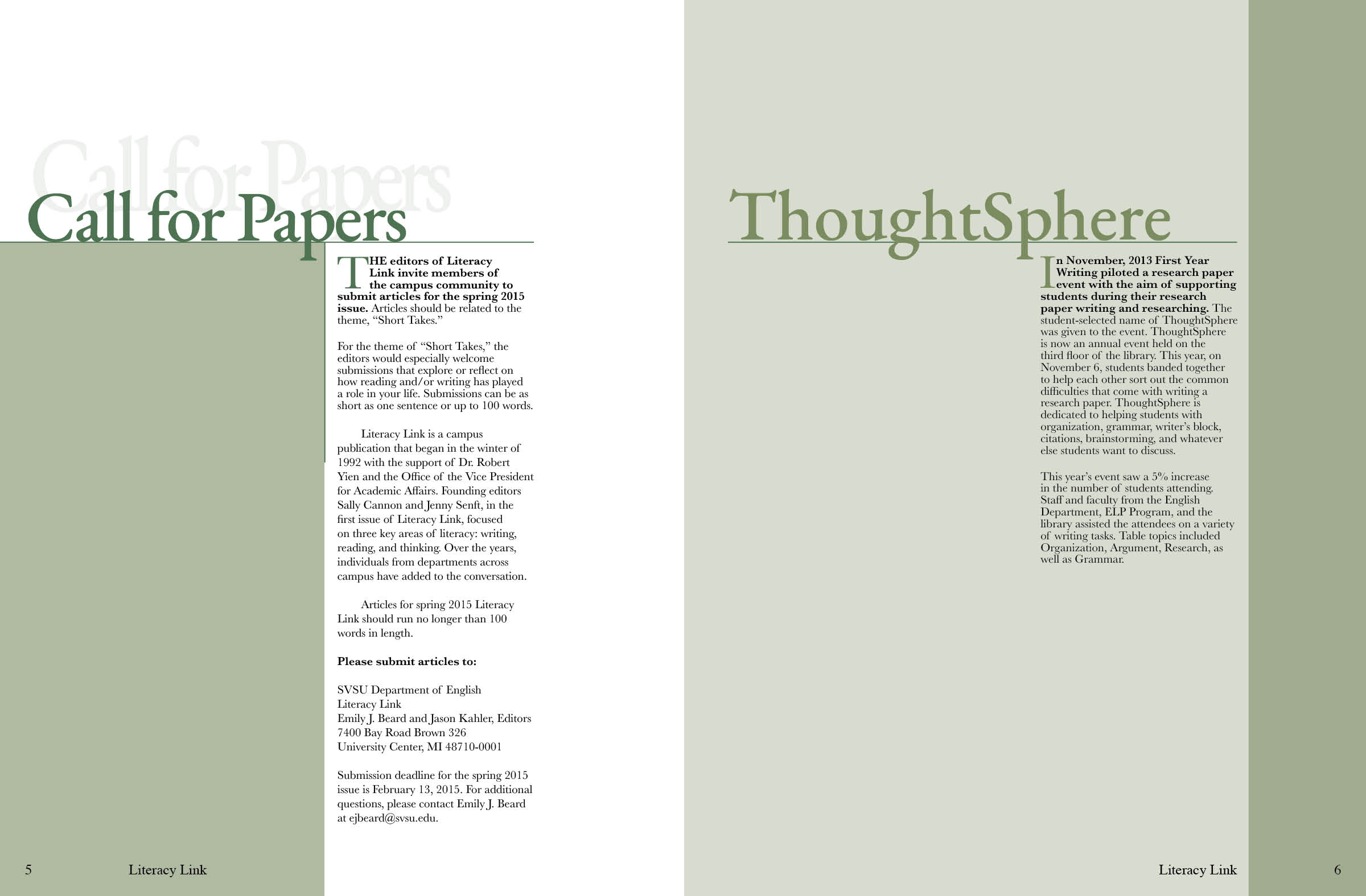
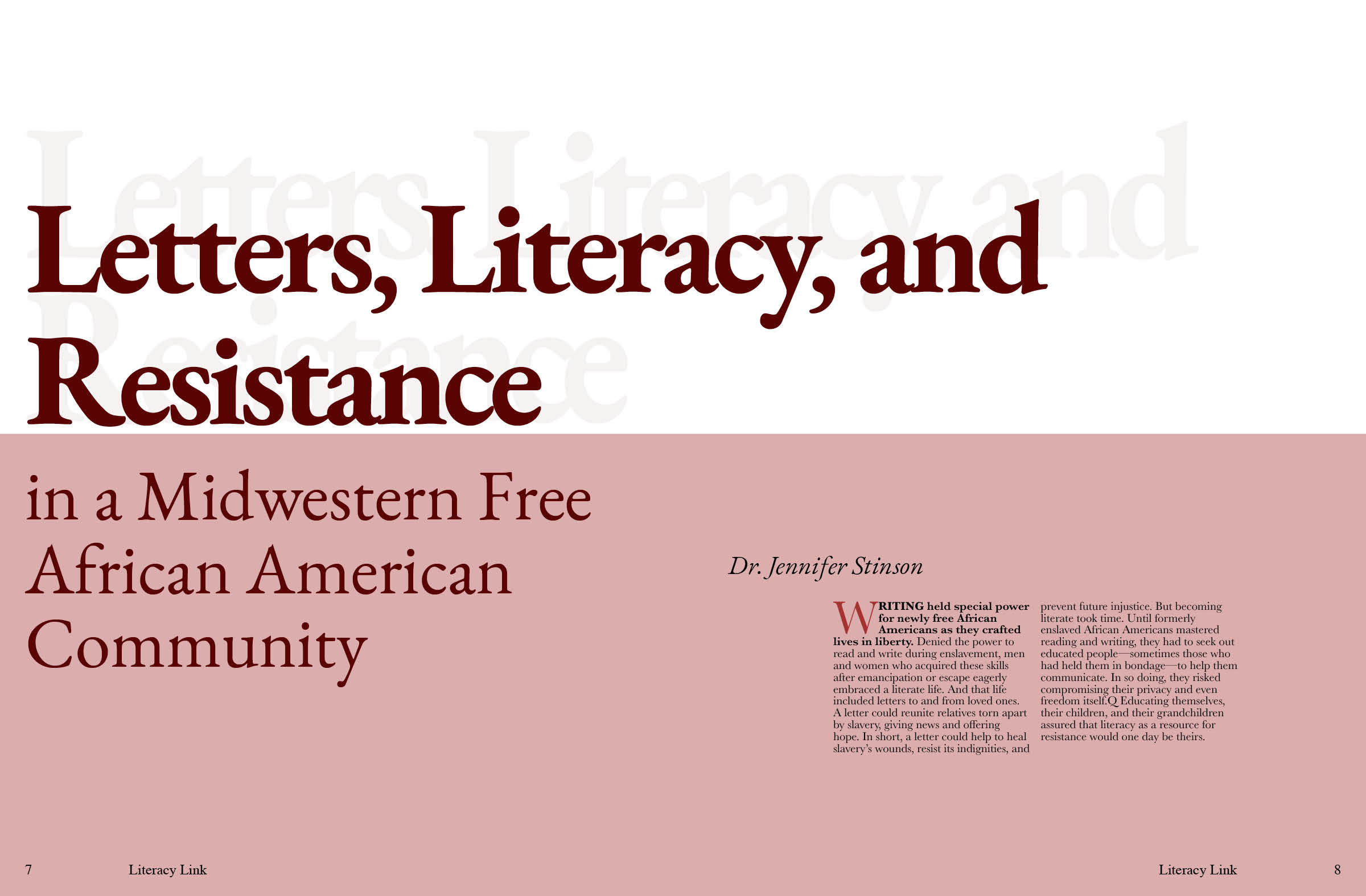
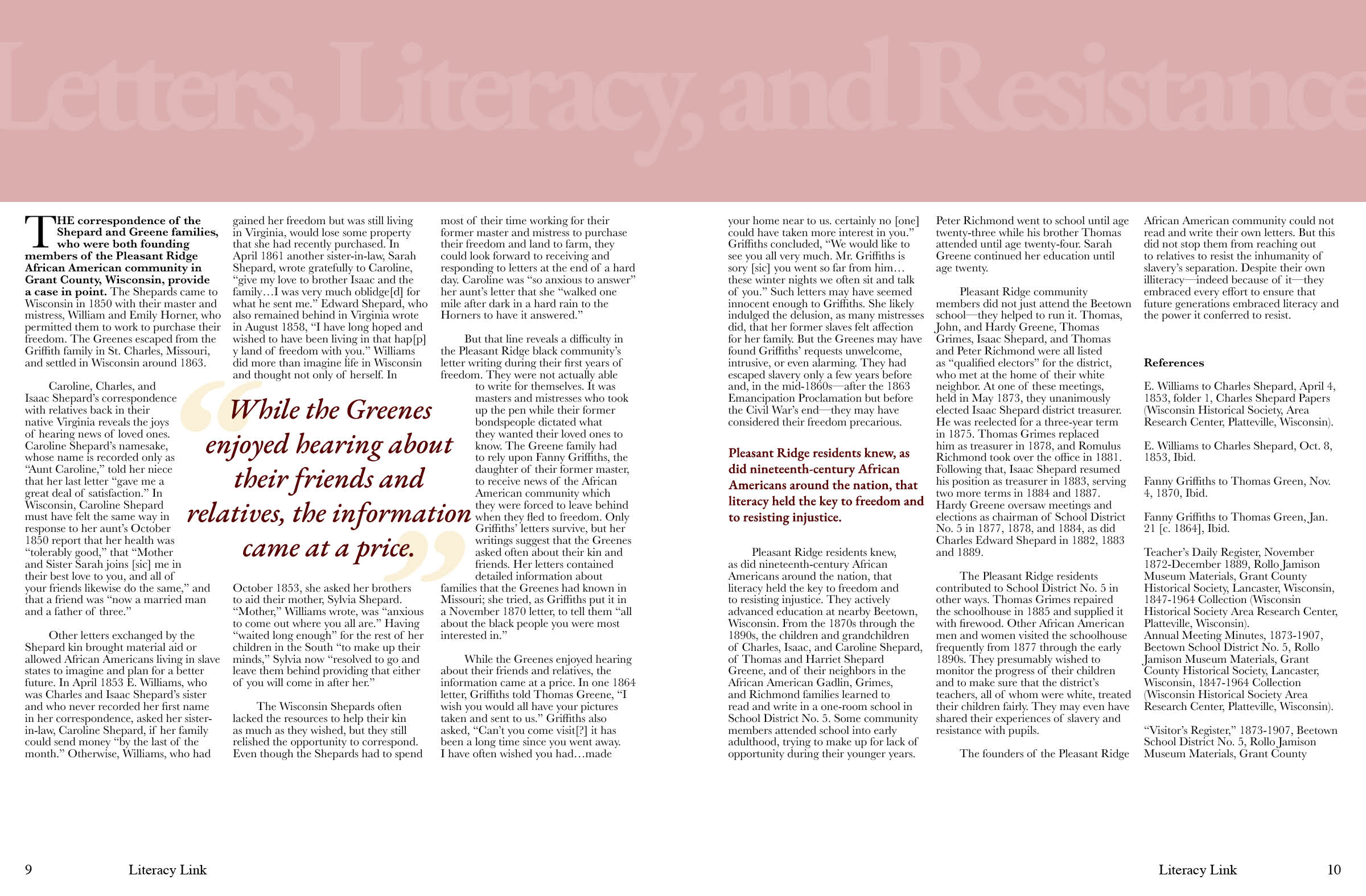
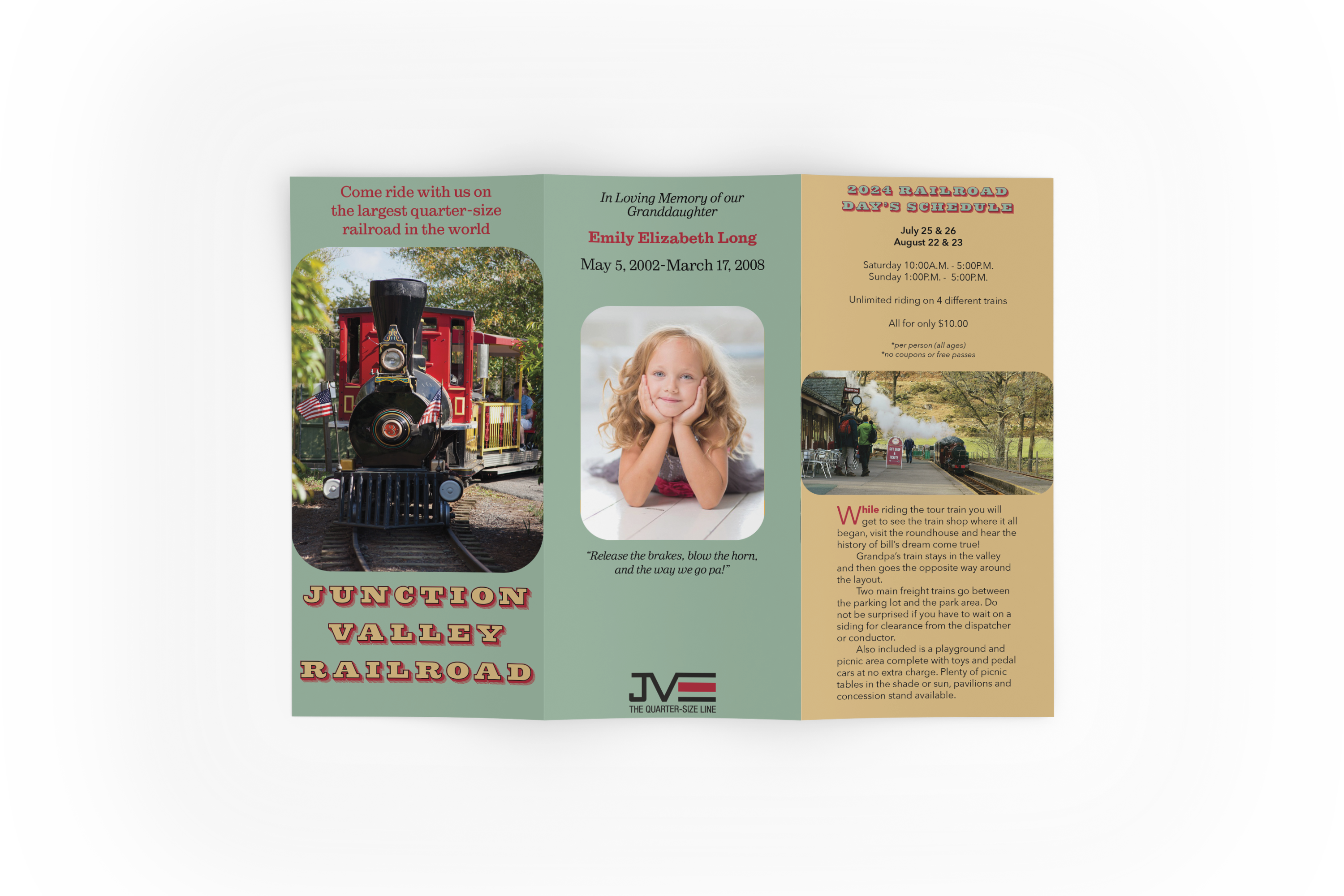
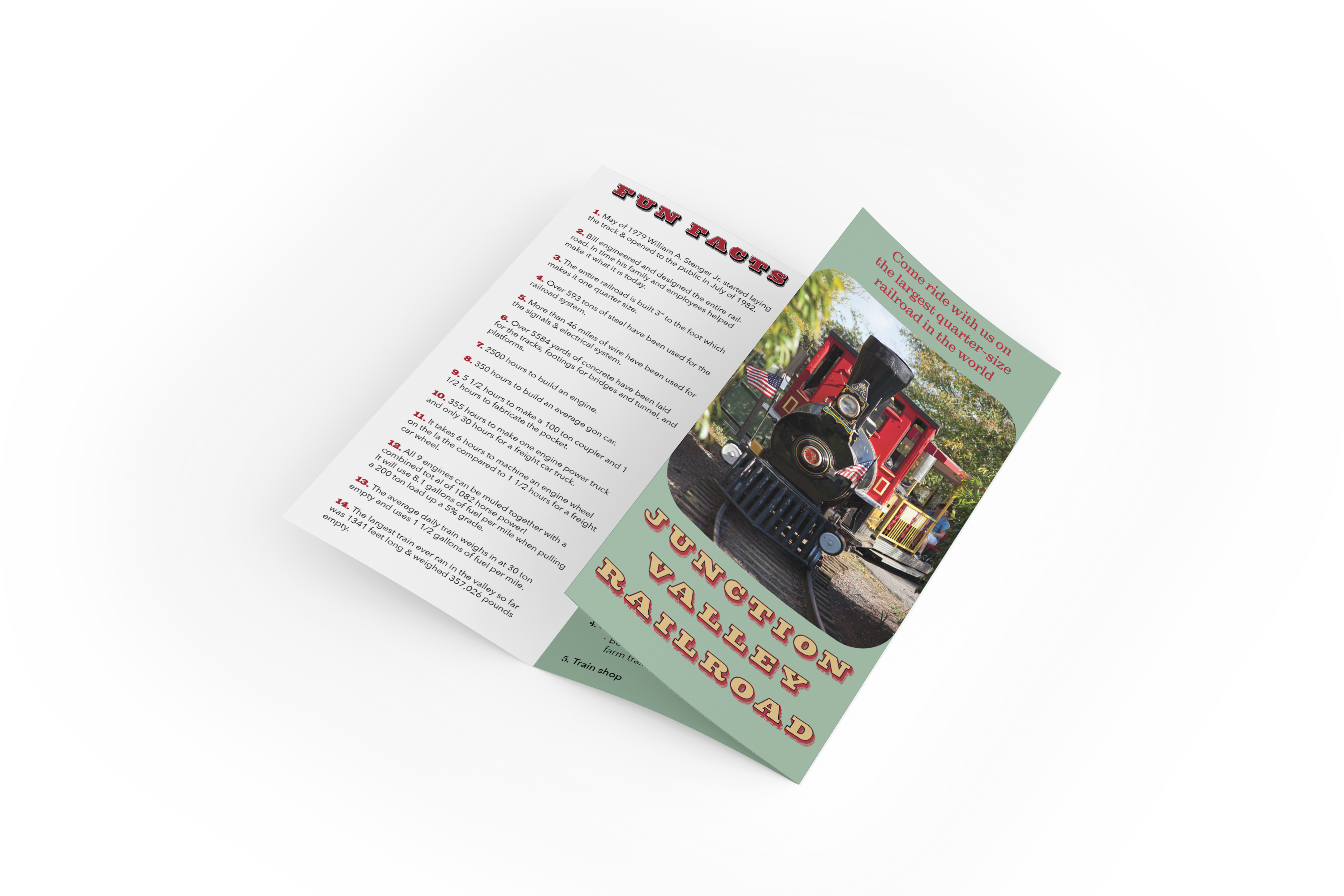
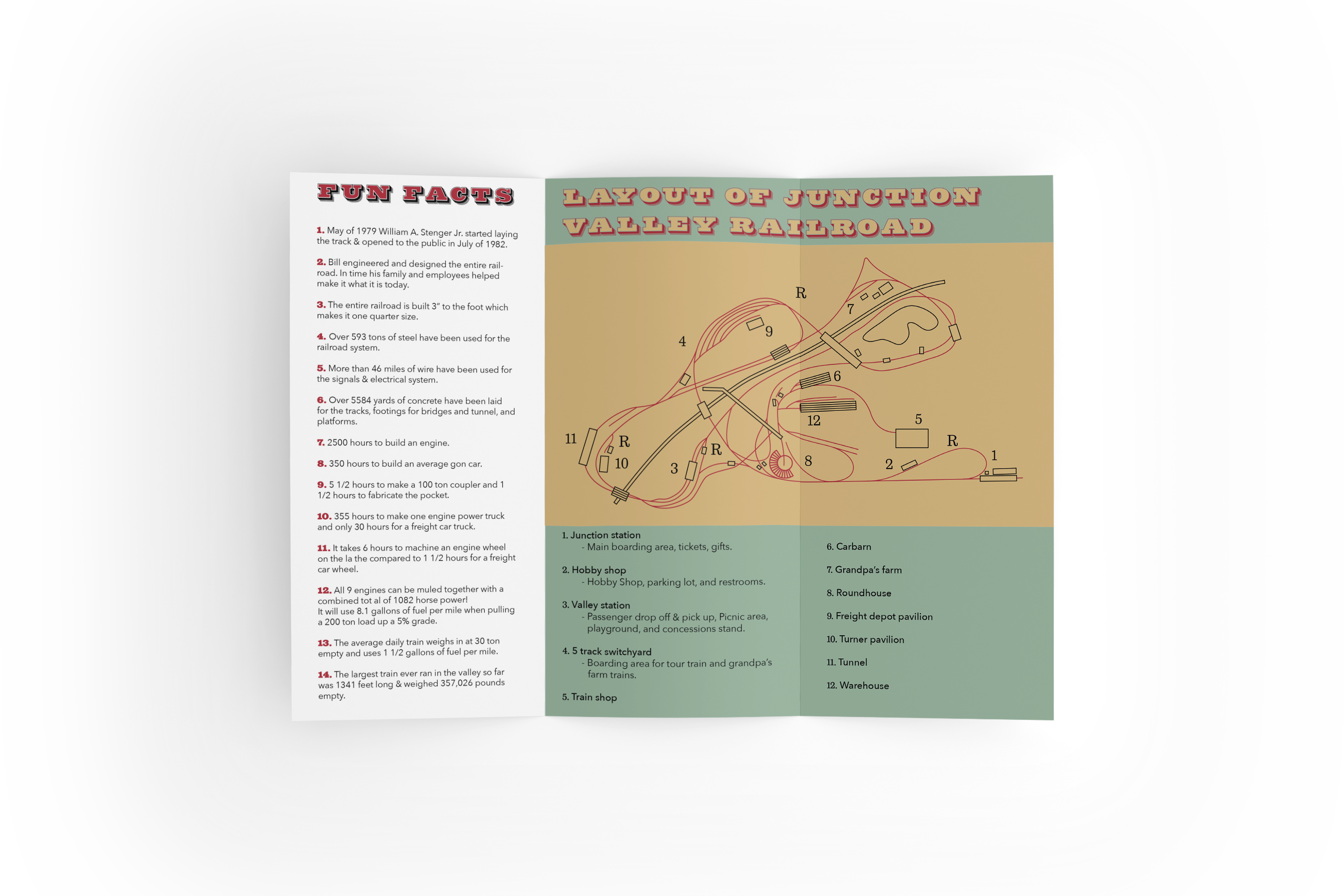
Trifold, 8.5"x11"
Publication Design
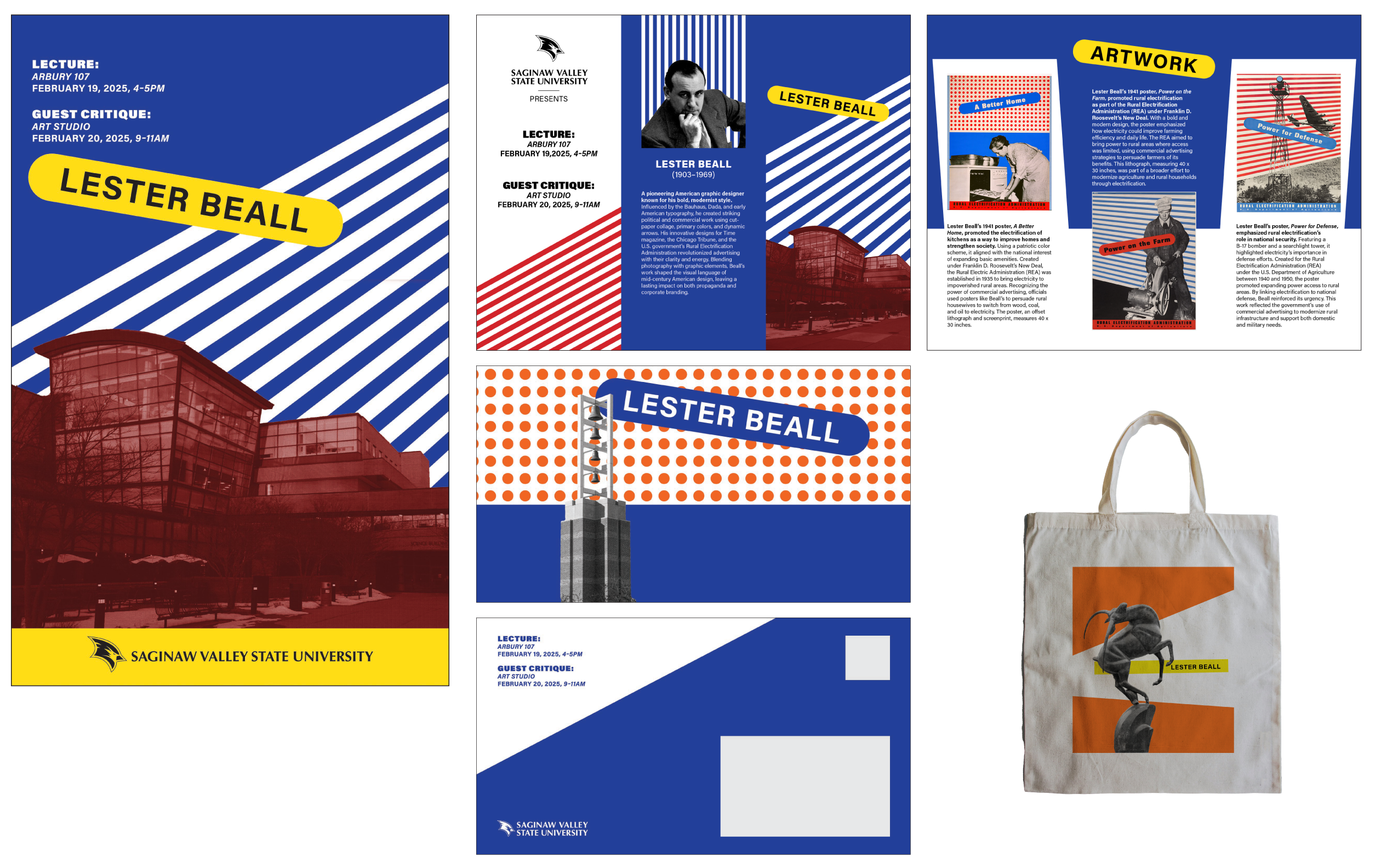
This course focused on techniques used in print media design, exploring a wide range of multi-page documents, such as newsletters, brochures, annual reports, and cover designs. For the first assignment, students selected an artist whose style they emulated to promote a fictional upcoming lecture at Saginaw Valley State University. The task involved creating a cohesive promotional package, including a poster, trifold brochure, mailer, and a giveaway item (a tote bag) to effectively communicate the event.
2D Design
2D Design at Saginaw Valley State University introduced art students to design principles and composition strategies, exploring elements such as edge interaction, scale, closure, gradient, overlap, and rhythm using Adobe Illustrator. The design on the left was personally inspired by Mid-Century Modern architecture, focusing on creating depth and space in a two-dimensional image through overlap, object interactions, and color. The design on the right, one of the first assignments, incorporated design elements such as closure, gradient, scale, and rhythm.